
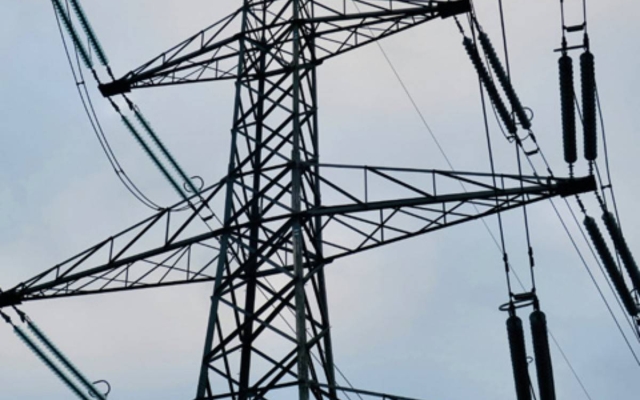
Last spring the utility we were working with handed us a problem that sounded simple: insulate 14 kilometres of bare 132 kV overhead conductor running through a stretch of coastal forest. The line kept tripping during fog and salt-spray season, and stringing a new insulated cable was off the table — the right-of-way was full and the budget wasn't there.
Why we reached for the coating robot instead of new cable
We'd done smaller jobs with the Y100-C before, but nothing on this scale. The pitch was straightforward: keep the existing conductor, wrap it in an ultra-lightweight insulating layer, and get maybe 80 to 90 percent of the benefit of a fully insulated line at a fraction of the cost. What nobody had a number for was how the coating would behave after a coastal winter.
So we ran a pilot on a 1.2 km section first. Three things came out of it that the brochure didn't mention:
- The surface has to be bone-dry. We lost two days to a humidity spike we should have predicted from the marine forecast.
- Layer thickness matters more than the spec sheet suggests — we settled on 2.4 mm, not the 2.0 mm default, after seeing partial wet-creep on the thin sections.
- Get the crew rhythm right and a two-person team coats roughly 600 to 800 metres a day. Push harder and you trade quality for speed.
The part nobody warns you about: sign-off
The technical work finished ahead of schedule. The paperwork didn't. Proving to the utility's asset team that a coated bare conductor is "as safe" as a factory-insulated one took longer than the application itself — we ended up submitting dielectric test reports from three independent labs. If you're planning a job like this, budget the certification time before you book the crews.
Would we do it again? Yes. The line hasn't tripped once since. But the real lesson was boring: the robot is the easy part. The drying window and the sign-off are what decide whether your season succeeds.